

What Is a Single Oven Electric Fan?
Single oven electric fan is a kind of cooking appliance that uses an internal fan to circulate hot air throughout the oven cavity. This can help eliminate hot spots, and enhance the overall cooking performance.
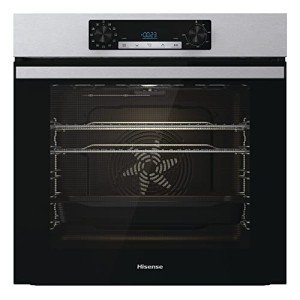
Does your oven have an air-conditioner? If yes, will it make certain areas of the oven warmer or cooler than others at a preset temperature?
Functions
Oven functions, also referred to as cooking settings or cooking modes, offer a variety of oven settings that are pre-programmed to cater for different recipes and cooking requirements. These features dictate how the heating elements and fan within the oven operate which makes it easier to get exact and consistent results.
Most ovens are classified as "fan assisted" which means that as the oven element heats up there is an air conditioner that circulates hot air around the oven's cavity, helping in cooking food. As a result, this function helps reduce the time it takes to preheat and allows for even cooking. In an oven, there are usually two fans: one that distributes hot air for cooking and another one that cools the oven. The cooling fan is controlled by a thermal switch. It turns on automatically when the thermostat knob is not turned off.
Functionality for Convenience
Ovens come with a variety of features that make it easier to use them, including the defrost function that uses low temperature to thaw food without cooking it. This speeds the process of defrosting and prevents dishes from becoming stale or dry. The reheating feature is beneficial since it uses a gentle heat to reheat foods, which helps preserve their flavour and texture.
Other useful features include a child lock function that locks the control panel, stopping children from gaining access or altering the oven's settings. The minute minder feature is another feature that can be utilized independent of the cooking functions. It switches off the oven after an amount of time has passed. This will help you avoid forgetting to switch off the oven.
For those who like to cook a variety of dishes on a regular basis an oven that has multiple functions is a great choice. A fan oven with roast function allows you cook different meats and vegetables simultaneously on several racks, making it perfect for Sunday lunches or meals for the family. Ovens And Hobs can also utilize the grill function and bake function to add a golden crust to cakes, casseroles, and potatoes.
Design
Built in electric single ovens come in a range of sizes and styles to fit your kitchen and cooking needs. Some models also have additional features like self-cleaning, delaying start or warm hold. These features can help you save time and effort. You can read reviews to find out how other consumers rate these ovens.
A fan oven is equipped with a built-in fan to circulate air around the food to produce faster, more even results than a conventional oven. This is particularly beneficial when cooking meals that have large amounts of fat like roasts or pies. It is easy to determine the difference between an oven that is fan-based by checking the control panel. Look for the fan icon or a three-pronged fan that is surrounded by a circle. Conventional ovens can be identified differently or may not have a fan at all.
This A rated integrated single oven from Blomberg boasts a large capacity of 71L and is designed to perform and look great. The oven comes with a full set of presets including grill and fan assisted cooking. It comes with a special light-only mode to make it easier for cleaning. It also comes with an adjustable clock/timer that can be programmed with a touch and an easy-clean enamel interior.
Energy Efficiency
Ovens are relatively low-energy appliances when compared to other appliances in the home like air conditioners and refrigerators. The type of oven used and the method of cooking used can influence energy costs. A majority of the latest single ovens are less energy-efficient than older models. This reduces energy consumption and helps you save money on your energy bills.
The main difference between a traditional and fan oven is that a traditional oven uses one heating element, whereas a fan oven has both an element for heating and a fan that circulates hot air around the food. With the help of a fan you can reduce the temperature and reduce energy consumption. A fan can also in reducing the time for baking.
Another way to make sure that you're getting a single oven electric fan that is as efficient as it can be is to look for one that has a brushless DC motor. This type of motor is more efficient than older models that aren't brushless. It also reduces noise levels.
You can find the energy rating in the manual for the appliance or else. This number will give you an idea of the amount of energy the oven uses when operating. You can then compare this number to the cost per kWh of your electricity tariff, which will vary widely depending on where you live.
There are many aspects that affect the power consumption of an oven depending on the type of food you're cooking, its temperature setting, and the amount of time you cook it for. The cooking process itself may affect how much electricity it consumes in the same way that preheating the oven before using it.
To maximize the efficiency of your oven, turn it off after you've finished using it and monitor your use. You can also use a smart meter to get precise information on the amount your appliances are costing you and explore alternative cooking methods that use less electricity.
Installation
If you're installing an electric fan oven for the first time or replacing one you have, there are certain expenses to take into consideration. They range from getting rid of and removing the old appliance to the installation or upgrading of outlets and utilities lines. If the new appliance is requiring a vent hood, you may need to install one. Shop around to find the best price.
You can tell if your oven has a fan by looking on the control panel. The fan circulates air constantly inside the oven chamber. This lets it reach temperature quicker and distribute heat evenly. On the control panel of traditional ovens, you can see a different icon or the absence of a fan icon.
You should look at the wiring of your old unit prior to hiring an electrician. It's easy for a professional electrician to connect the appliance to your wiring system if your old one plugs directly into a power socket. But, if the old oven was wired to a circuit breaker or switchbox, it's going to be more difficult. If the new unit is higher in watts than the previous one, you'll have to make sure that your circuit breakers are able to handle the extra current. Also, you'll need to make sure that any cables you use are long enough.
The cost of installation will also differ based on where your kitchen is located in your home. A freestanding unit that can be easily moved from room to room will cost less than a wall-mounted unit that requires cutting into cabinets or counters to install. You should also factor in additional charges if you need to add or run gas or electricity lines, or ventilation ductwork.
A straightforward electric oven installation will cost you between $70-$155 if you are replacing an existing unit in the same location. Installing vent hoods and adding a new outlet in the kitchen should cost around $300.